Designing Clinical Trials in R with rpact and crmPack

Introduction for Roche Biostatistics

Daniel Sabanés Bové, Friedrich Pahlke

RPACT

January 13, 2026

Executive summary 📝

  • RPACT has been collaborating closely with Roche since RPACT inception in 2017
  • We present two RPACT open source R packages for clinical trial design:
    • rpact for confirmatory clinical trial designs
    • crmPack for dose escalation trial designs
  • For both R packages, Roche has a Service Level Agreement (SLA) with RPACT for professional support, training, validation and development
    • In total, 21 companies are currently having SLA with RPACT (21 for rpact, 4 for crmPack)
  • In addition, we present briefly RPACT Cloud, a new web-based GUI for rpact, which is currently licensed by 4 pharmaceutical companies

Ecosystem in R 🌏

  • From: First R package for clinical trial design was likely S+SeqTrial
  • To: Clinical Trials CRAN task view
    • Includes rpact and crmPack
    • Also includes many other packages such as pwr, DoseFinding, gsDesign, bcrm, Mediana
  • As with other areas of R packages, the quality varies
    • Professional support, testing and documentation are crucial for long term stability and value
    • Comparison with Posit (formerly RStudio) supporting important general purpose packages like shiny, tidyverse, dplyr, ggplot2

The RPACT User Group

  • AbbVie
  • Allucent
  • Bayer
  • Boehringer Ingelheim
  • Dr. Falk Pharma
  • Dr. Willmar Schwabe
  • F. Hoffmann-La Roche
  • FGK Clinical Research
  • Gilead
  • GKM
  • Johnson & Johnson
  • Merck
  • Metronomia Clinical Research
  • Nestlé
  • Novartis
  • Parexel
  • Pfizer
  • PPD (Thermo Fisher Scientific)
  • Recursion
  • Sanofi
  • UCB

rpact

Overview 📦

  • Comprehensive validated R package implementing methodology described in Wassmer and Brannath (2025)
  • Enables the design of traditional and confirmatory adaptive group sequential designs
  • Provides interim data analysis including early efficacy stopping and futility analyses
  • Enables sample-size reassessment with different strategies
  • Enables treatment arm selection in multi-stage multi-arm (MAMS) designs
  • Enables subset selection in population enrichment designs
  • Provides a comprehensive and reliable sample size calculator

Developed by RPACT 🏢

  • RPACT company founded in 2017 by Gernot Wassmer and Friedrich Pahlke
  • Idea: open source development with help of “crowd funding”
  • Currently supported by 21 companies
  • \(>\) 80 presentations and training courses since 2018, e.g., FDA in March 2022
  • 30 vignettes based on Quarto and published on rpact.org/vignettes
  • 29 releases on CRAN since 2018
  • October 2025: Daniel Sabanés Bové joined RPACT as partner

Trial Designs 🔬

  • Fixed sample designs:
    • continuous, binary, count, survival outcomes
  • Group sequential designs:
    • efficacy interim analyses, futility stopping, alpha-spending functions
  • Adaptive designs:
    • Inverse normal and Fisher’s combination test, conditional error rate principle
    • Provides adjusted confidence intervals and bias corrected estimates
    • Multi-arm multi-stage (MAMS) and enrichment designs, sample size reassessment

Easy to understand R commands:

getDesignGroupSequential()
getDesignInverseNormal()
getDesignFisher()
getDesignConditionalDunnett()

Sample Size and Power Calculation 💻

Sample size and power can be calulcated for testing:

  • means (continuous endpoint)
  • proportions (binary endpoint)
  • hazards (survival endpoint)
    • Note: flexible recruitment and survival time options
  • rates (count endpoint)

Easy to understand R commands:

getSampleSize[Means / Rates / Survival / Counts]()
getPower[Means / Rates / Survival / Counts]()

Example: Sample Size Calculation 🧮

library(rpact)

# Define the design.
getDesignGroupSequential(
    typeOfDesign = "asOF",
    futilityBounds = c(0, 0)
) |>
    # Perform sample size calculation.
    getSampleSizeMeans(
        alternative = 2,
        stDev = 5
    ) |>
    # Obtain summary.
    summary()

Sample size calculation for a continuous endpoint

Sequential analysis with a maximum of 3 looks (group sequential design), one-sided overall significance level 2.5%, power 80%. The results were calculated for a two-sample t-test, H0: mu(1) - mu(2) = 0, H1: effect = 2, standard deviation = 5.

Stage 1 2 3
Planned information rate 33.3% 66.7% 100%
Cumulative alpha spent 0.0001 0.0060 0.0250
Stage levels (one-sided) 0.0001 0.0060 0.0231
Efficacy boundary (z-value scale) 3.710 2.511 1.993
Futility boundary (z-value scale) 0 0
Efficacy boundary (t) 4.690 2.152 1.384
Futility boundary (t) 0 0
Cumulative power 0.0204 0.4371 0.8000
Number of subjects 69.9 139.9 209.8
Expected number of subjects under H1 170.9
Overall exit probability (under H0) 0.5001 0.1309
Overall exit probability (under H1) 0.0684 0.4202
Exit probability for efficacy (under H0) 0.0001 0.0059
Exit probability for efficacy (under H1) 0.0204 0.4167
Exit probability for futility (under H0) 0.5000 0.1250
Exit probability for futility (under H1) 0.0480 0.0035

Legend:

  • (t): treatment effect scale

Adaptive Analysis 📈

  • Calculate adjusted point estimates and confidence intervals
  • Some highlights:
    • Automatic boundary recalculations during the trial for analysis with alpha spending approach, including under- and over-running
    • Adaptive analysis tools for multi-arm trials
    • Adaptive analysis tools for enrichment designs

Easy to understand R commands:

getStageResults()
getRepeatedConfidenceIntervals()
getAnalysisResults()

Simulation Tool 🧪

Obtain operating characteristics of different designs:

  • Assessment of adaptive sample size recalculation strategies
  • Assessment of treatment selection strategies in multi-arm trials
  • Assessment of population selection strategies in enrichment designs

Easy to understand R commands:

getSimulation[MultiArm / Enrichment][Means / Rates / Survival / Counts]()

Example:

getSimulationMeans()
getSimulationMultiArmMeans()
getSimulationEnrichmentMeans()

Package Validation Concept ☑️

Why is rpact a reliable R package?

  • Formal validation inspired by “GAMP 5” principles
  • As few dependencies as possible:
    • Imports: Rcpp
    • Suggests: testthat, ggplot2, R6
  • High test coverage:
  • testPackage(): installation qualification on a client computer or the Roche servers (because of SLA in place)
  • We assume that base/core R is validated/reliable (see R-FDA.pdf)

RPACT Connect 🔗

  • All important information and resources about RPACT on one dashboard page
  • Roche-specific resources, e.g.,
    • training slides,
    • annual meeting slides, and
    • the rpact validation documentation
  • Use RPACT Connect to jump to RPACT Cloud and unlock advanced features
  • Sign up: Please use your Roche email address so RPACT Connect can recognize your SLA membership automatically
  • RPACT Connect: connect.rpact.com

Professional Support: SLA 🤝

  • Service Level Agreement (SLA) with RPACT
  • Be part of the “RPACT User Group”
    \(\rightarrow\) yearly customer meetings
  • Get technical software support for written support requests
  • Get company specific training
  • Get company specific software validation documentation for each rpact release on CRAN
  • Get access to the members area at www.rpact.com
  • Make an rpact installation qualification on Roche company servers / containers with your personal testPackage() token and secret
  • Determine the direction of rpact future development activities
  • Optional support for health authority interactions
  • Optional consultation to support specific clinical trials

RPACT Cloud

RPACT Cloud ☁️

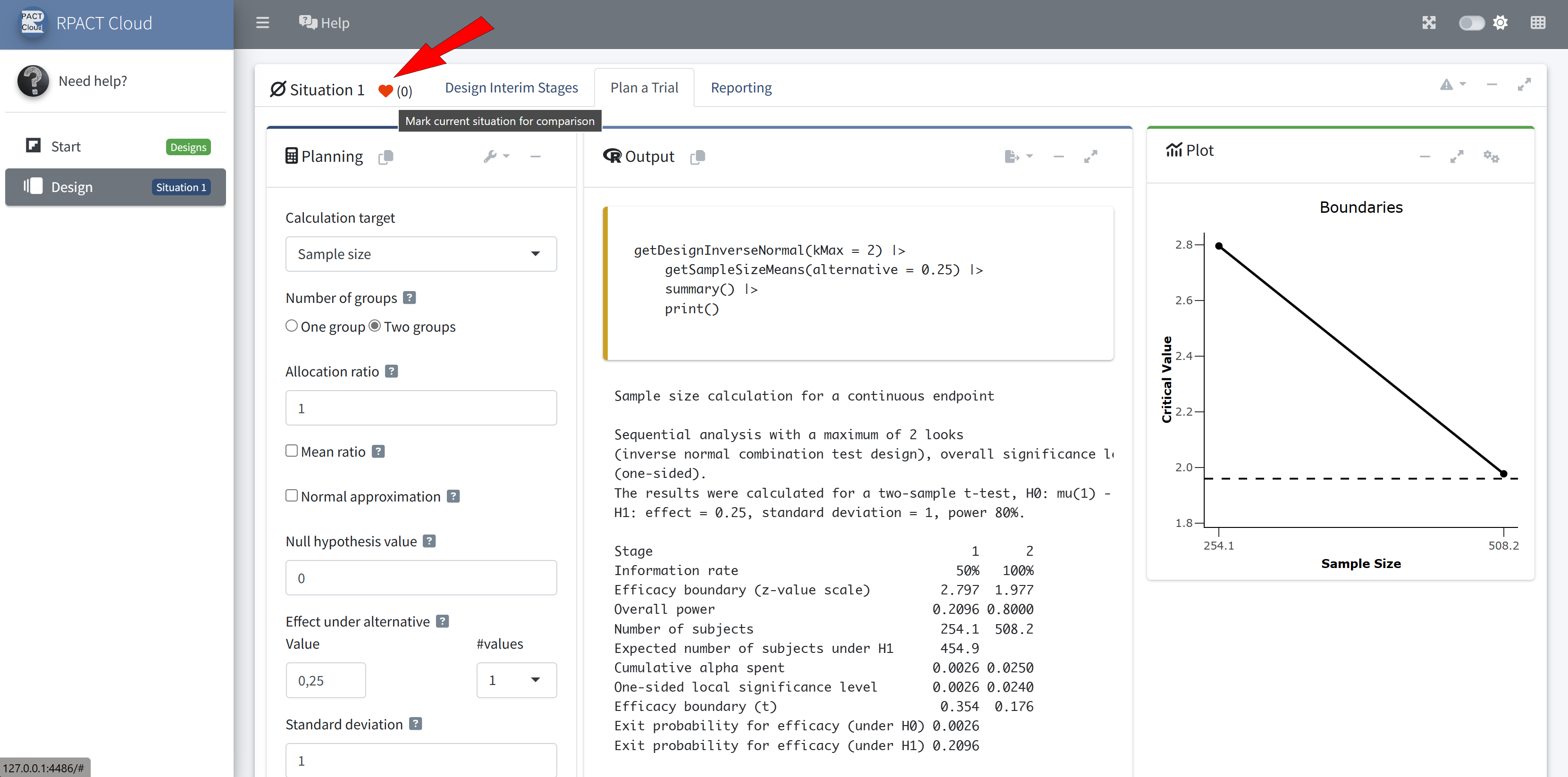
  • Graphical user interface
  • Web based usage without local installation on nearly any device ☁️
  • Provides an easy entry to rpact
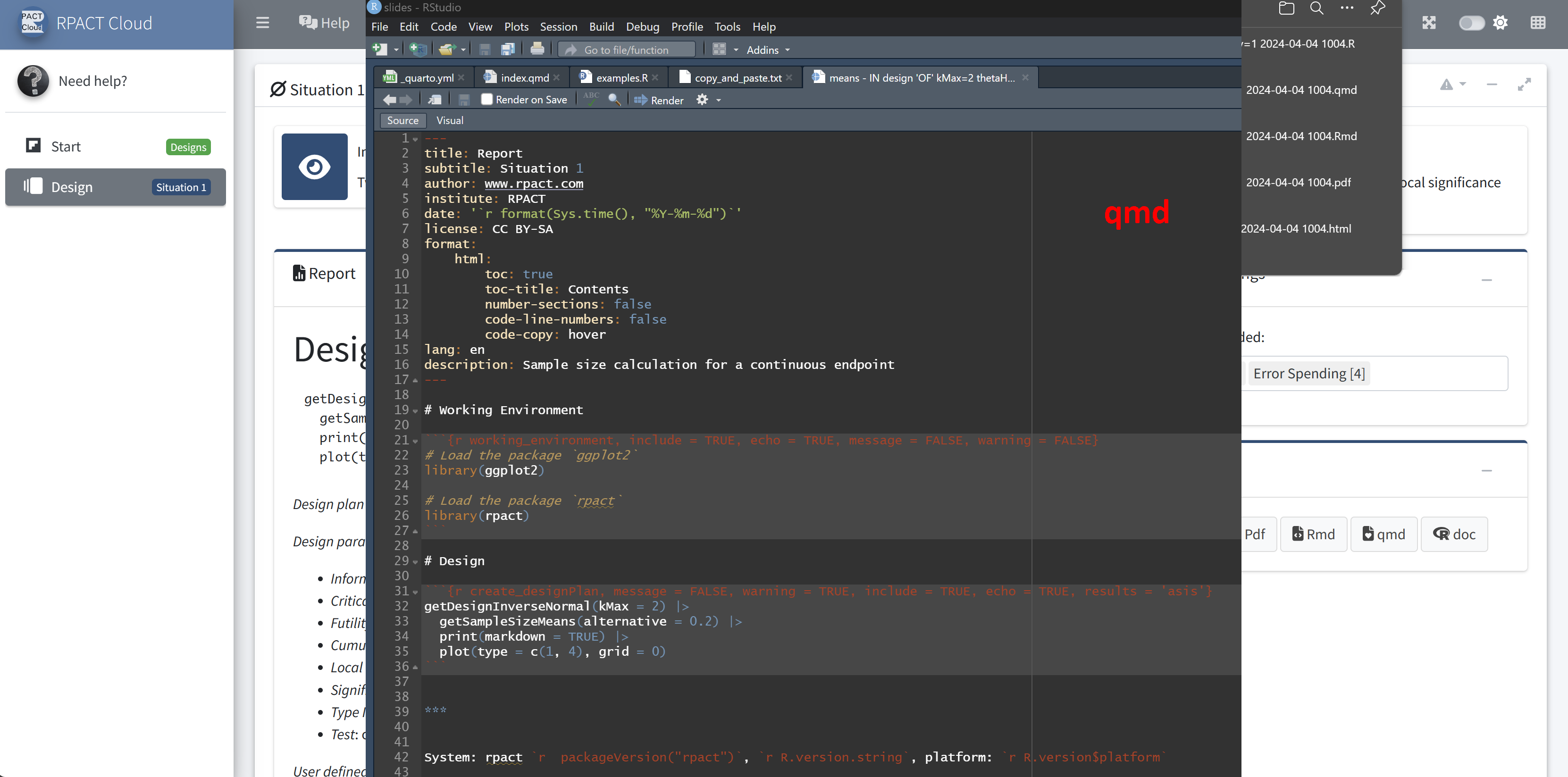
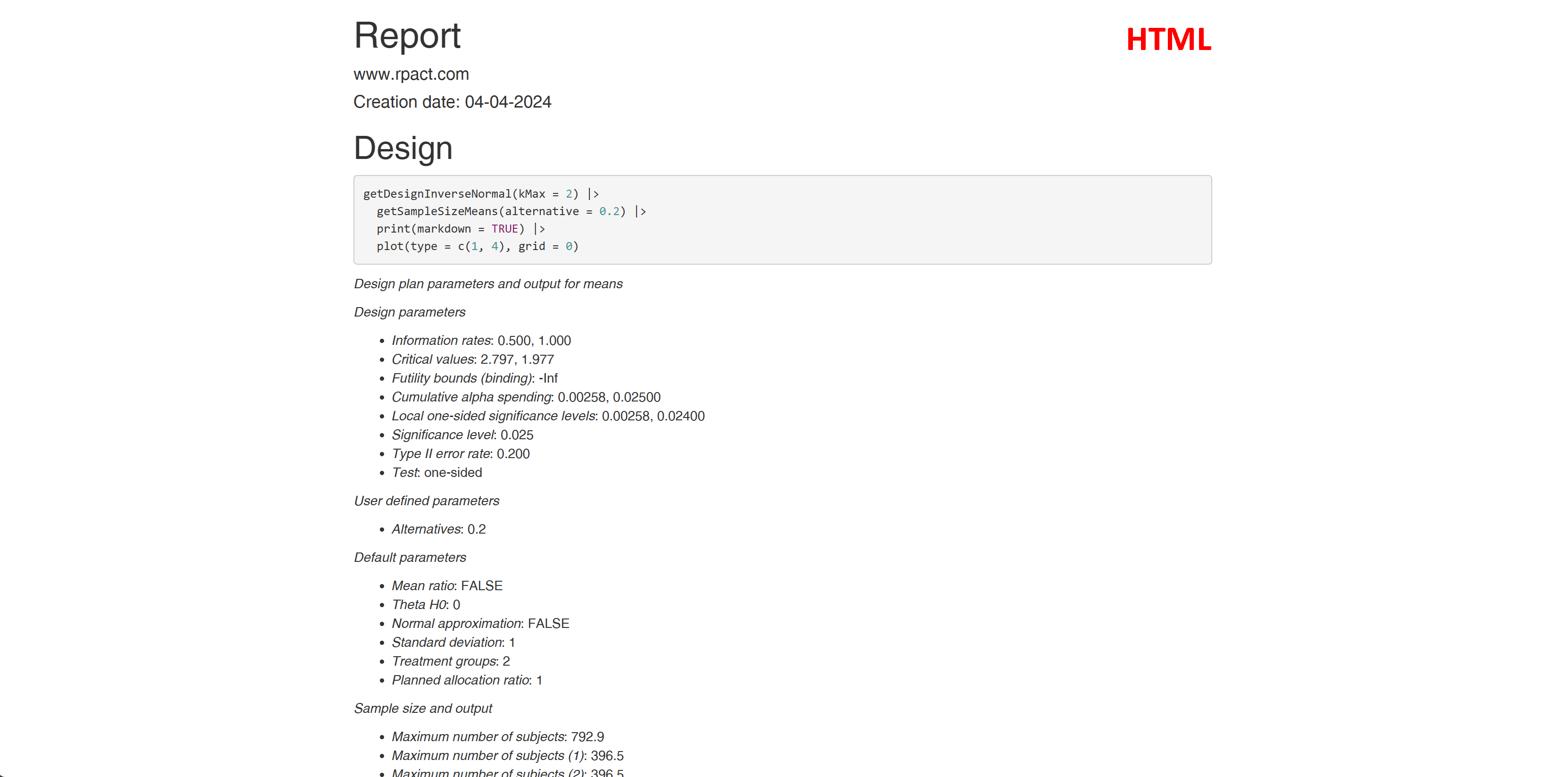
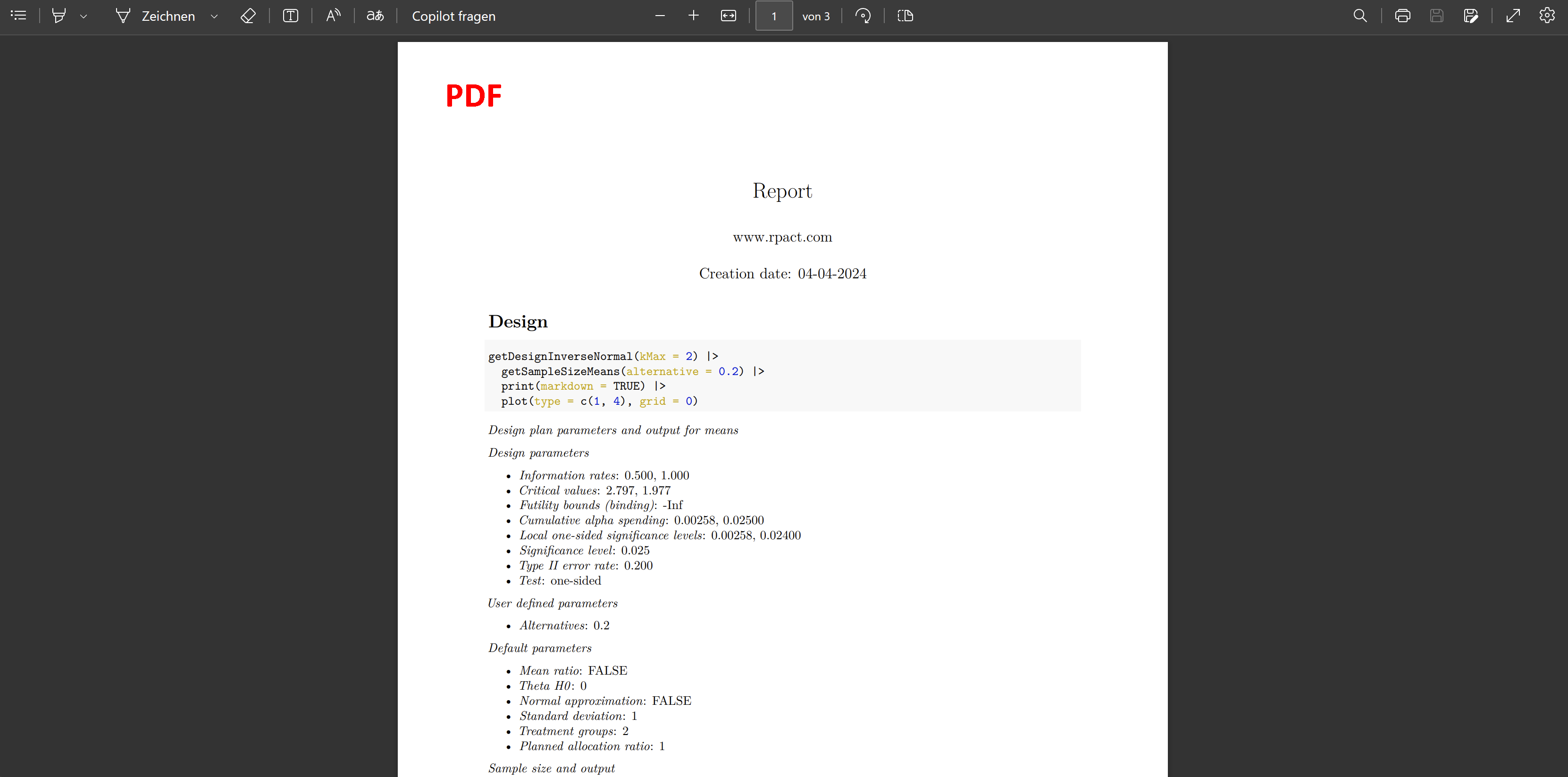
  • Starting point for your R Markdown or Quarto reports
  • Helpful to learn/demonstrate the usage of rpact in a user friendly and intuitive way
  • Online available at rpact.cloud [free demo version]

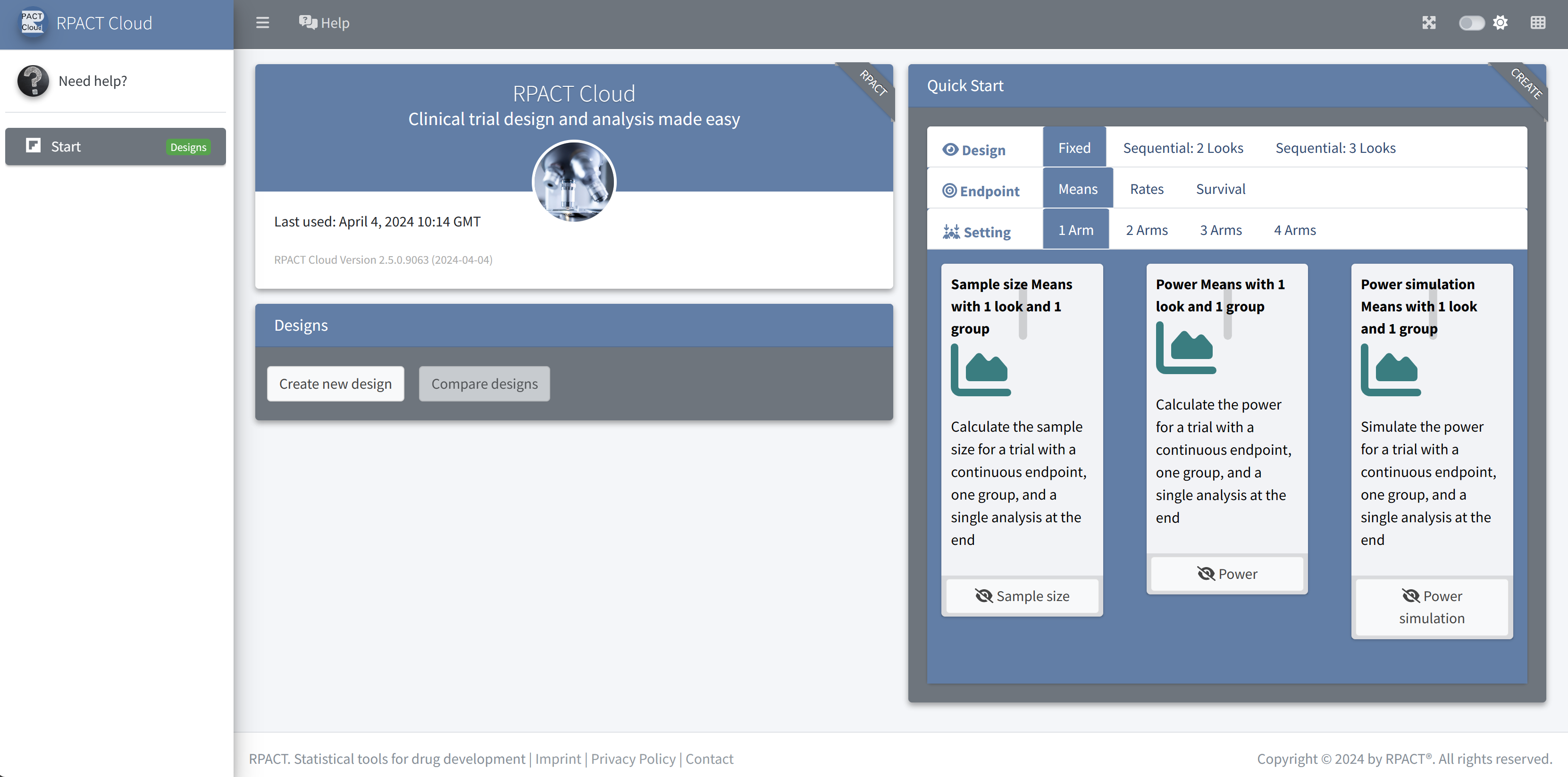
Start Page

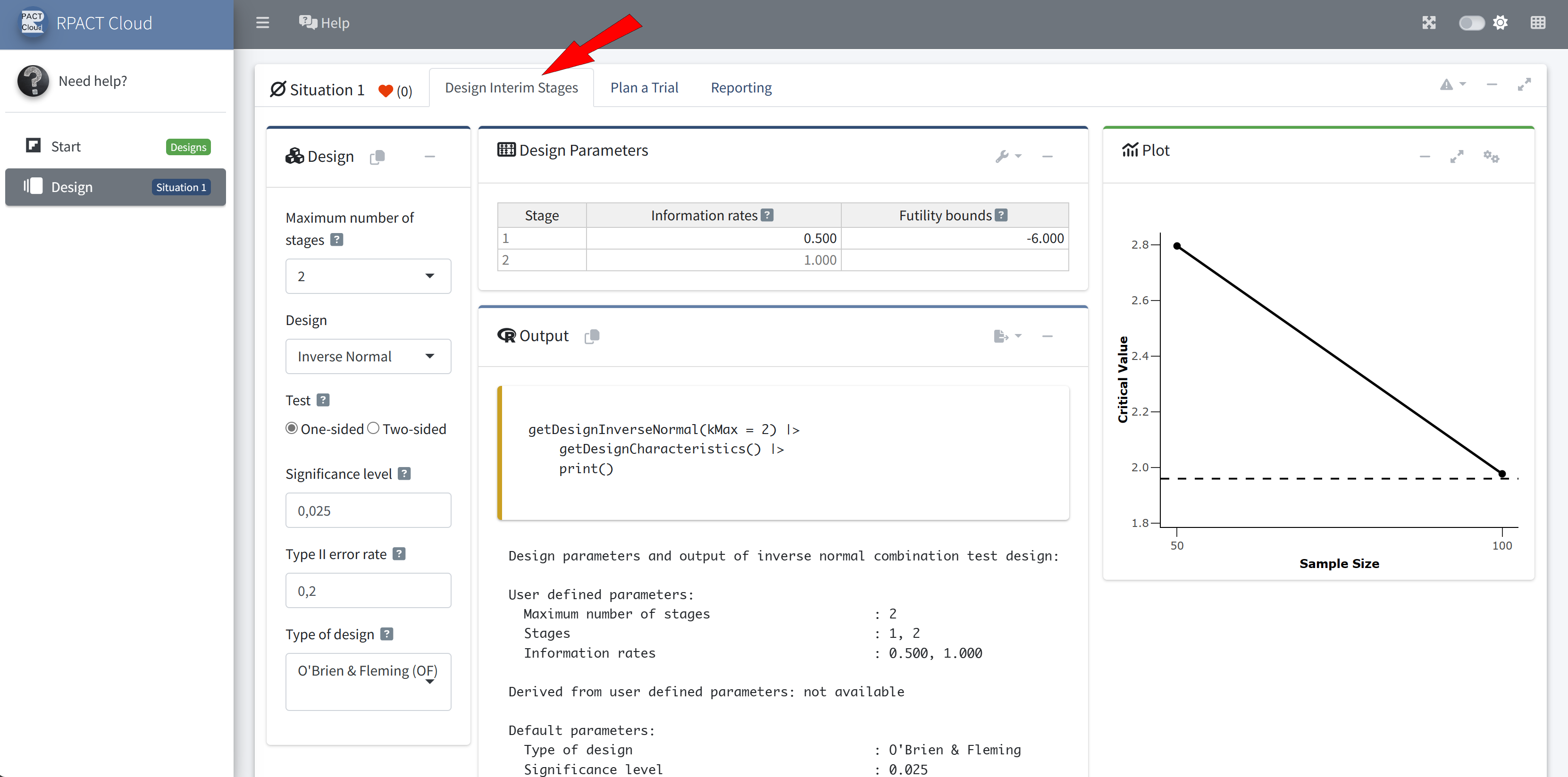
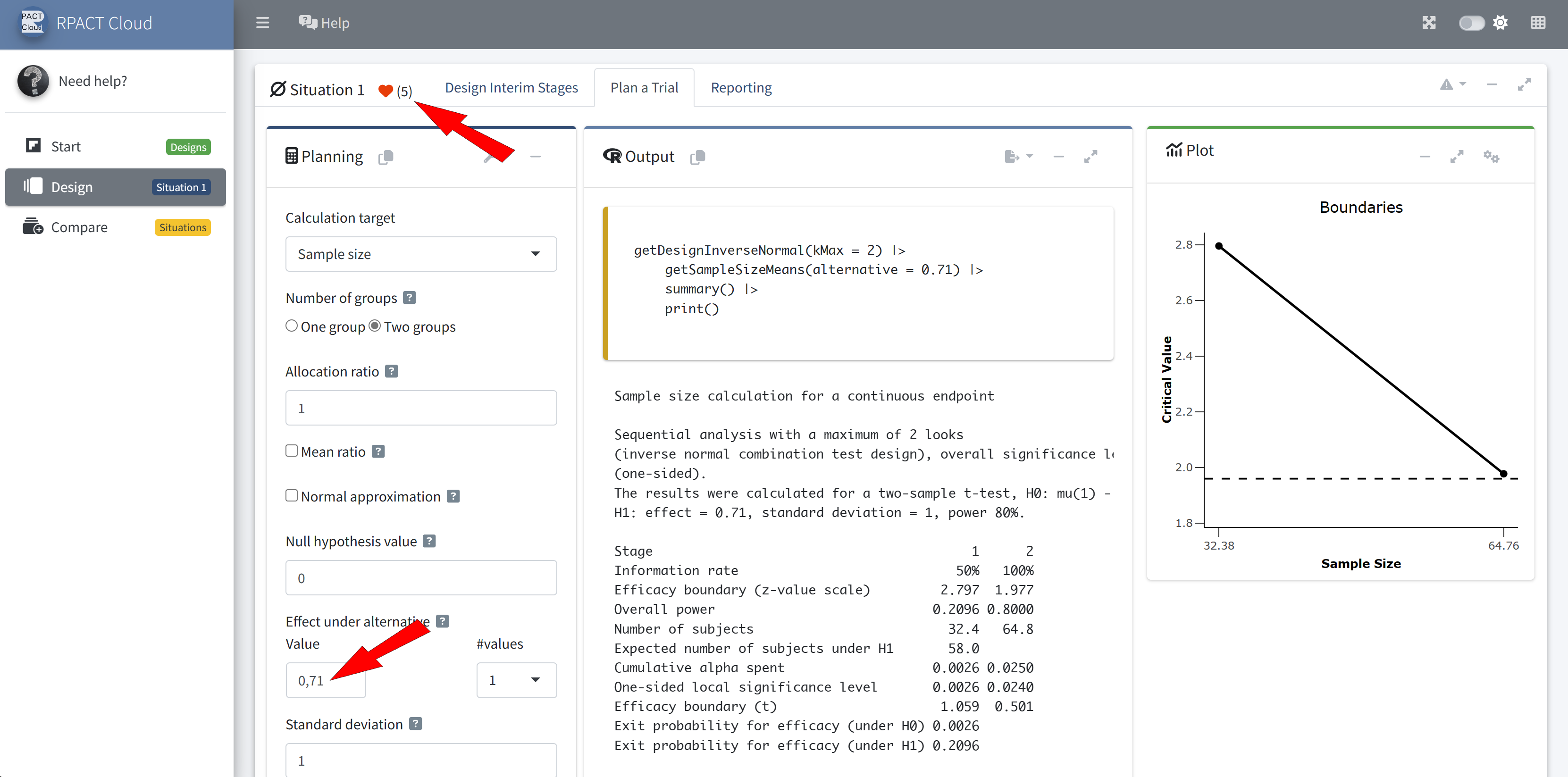
Design

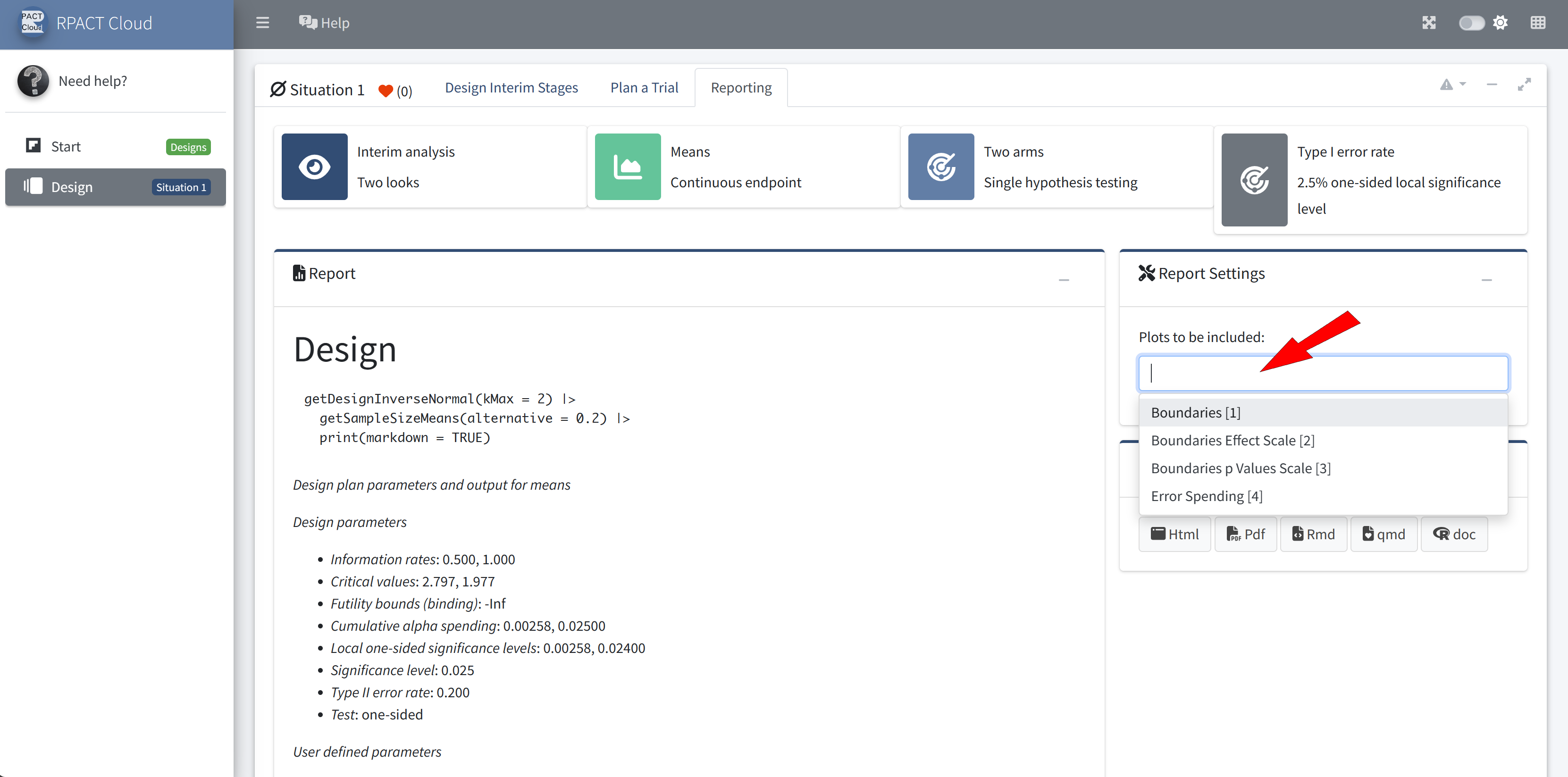
Reporting

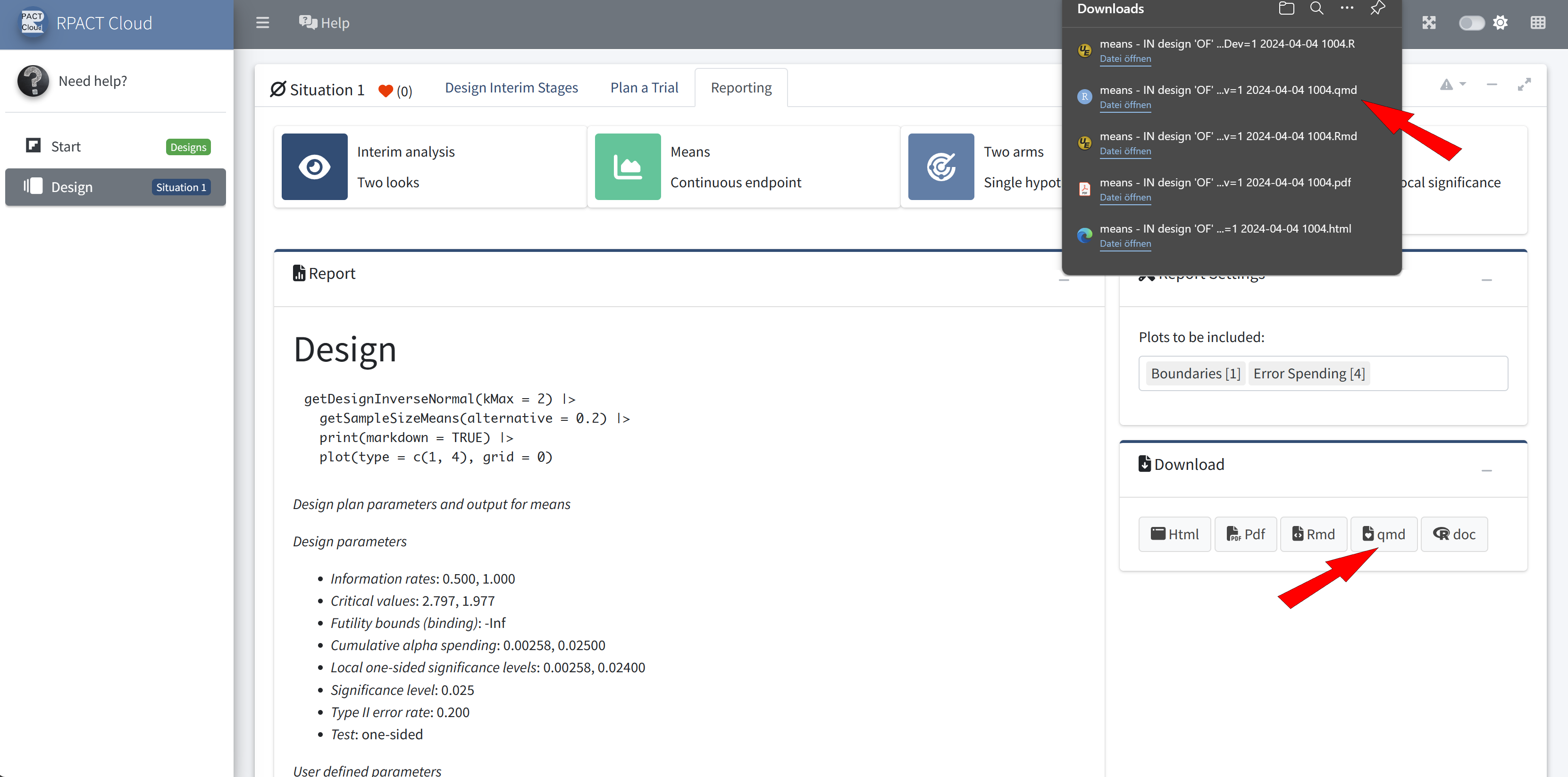
Export

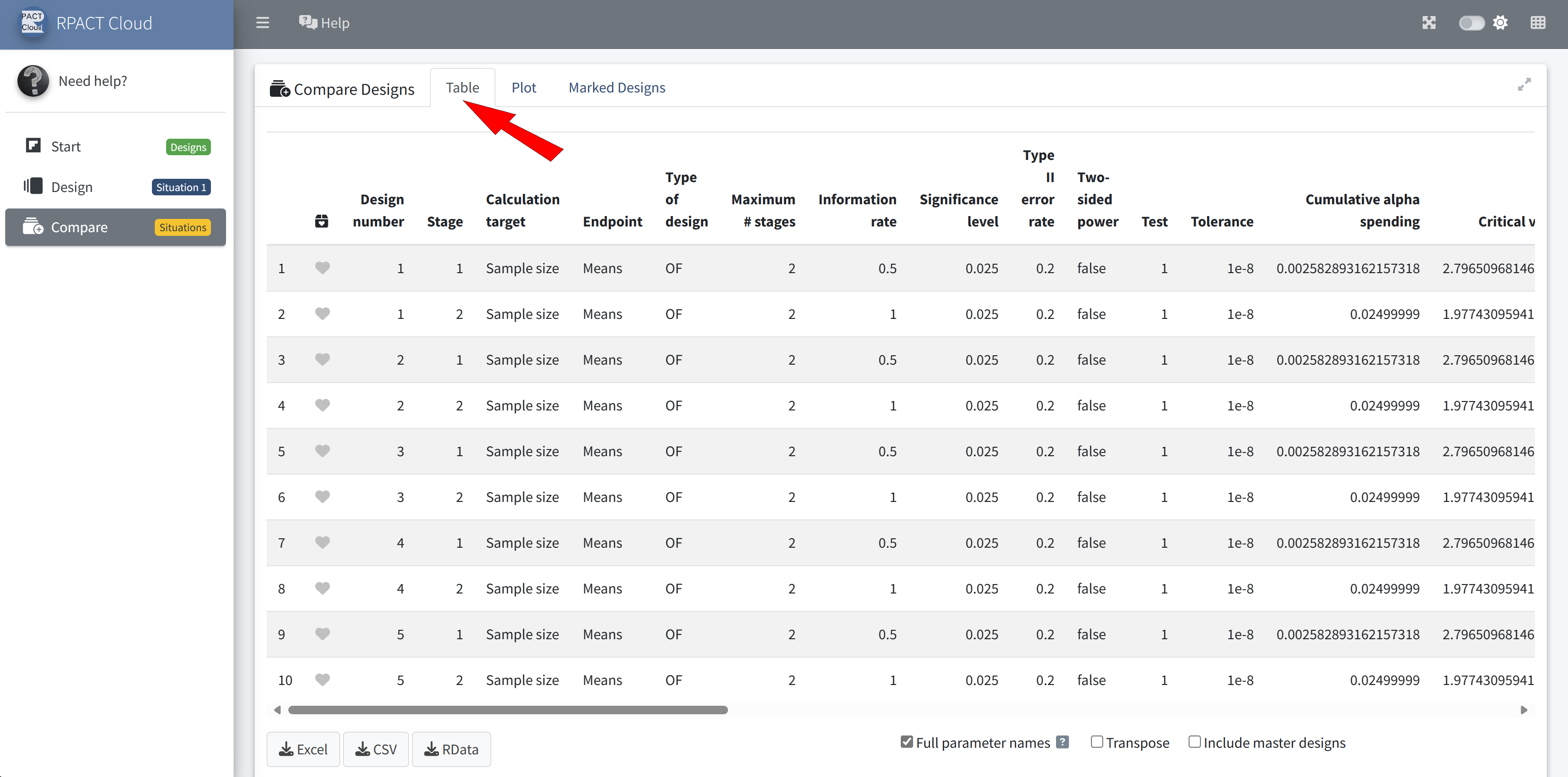
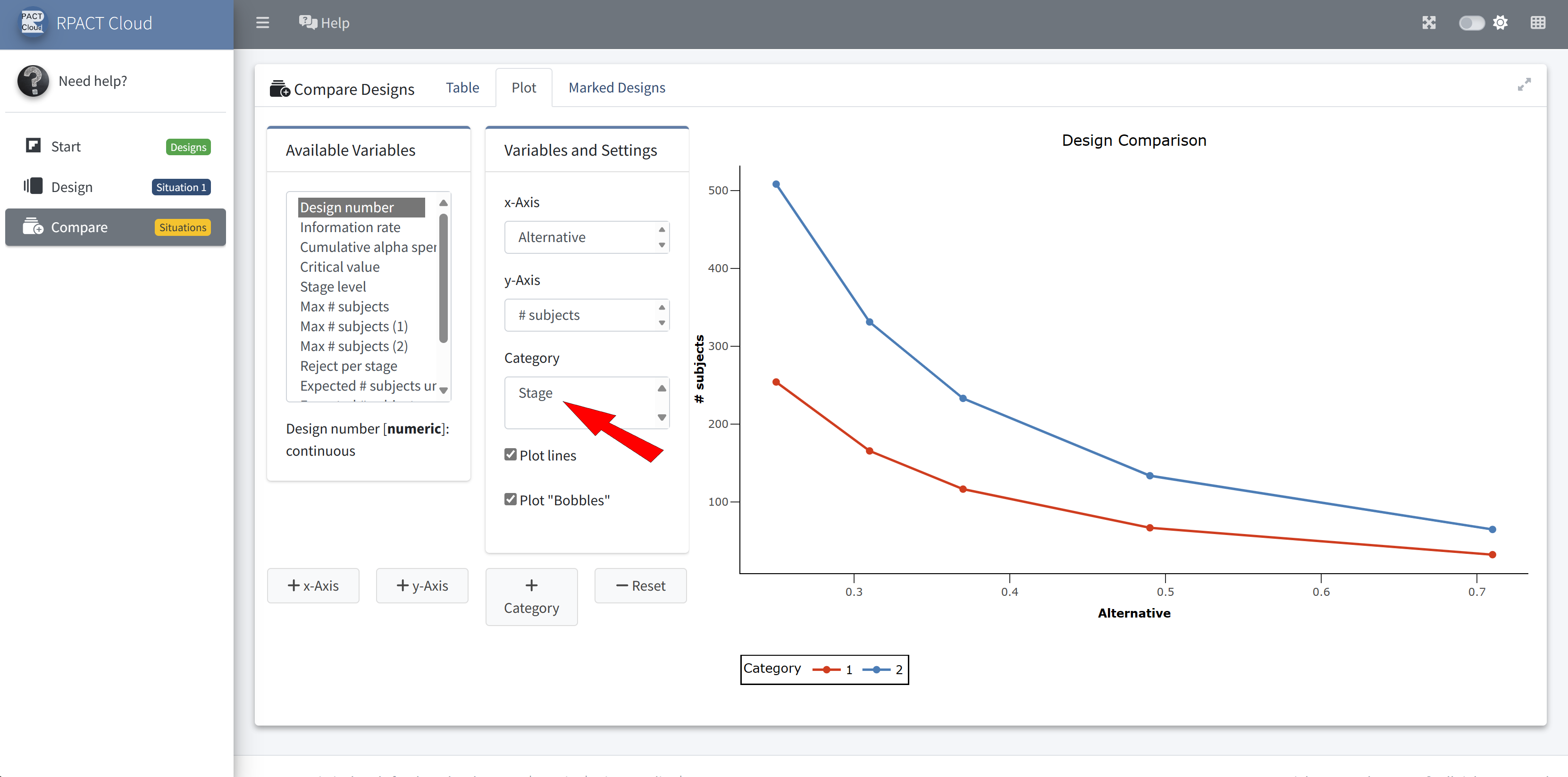
Design Comparison

RPACT Cloud – Enterprise Licensing

Over the past year, four major pharmaceutical companies have licensed RPACT Cloud for internal installation and use on their own servers - fully replacing previous proprietary software.

To support these enterprise deployments, we published extensive documentation covering setup on Posit Connect, configuration, and full qualification/validation:

crmPack

Overview 📦

  • Specialized R package for dose escalation trials
  • Initial CRAN release in 2016, publication by Sabanés Bové et al. (2019)
  • Higher flexibility compared to other software, thanks to its modular design
  • Easy extensibility and adoption of new designs
  • Produces visual and numeric outputs for easy interpretation
  • Facilitates simulations to assess the performance under various scenarios
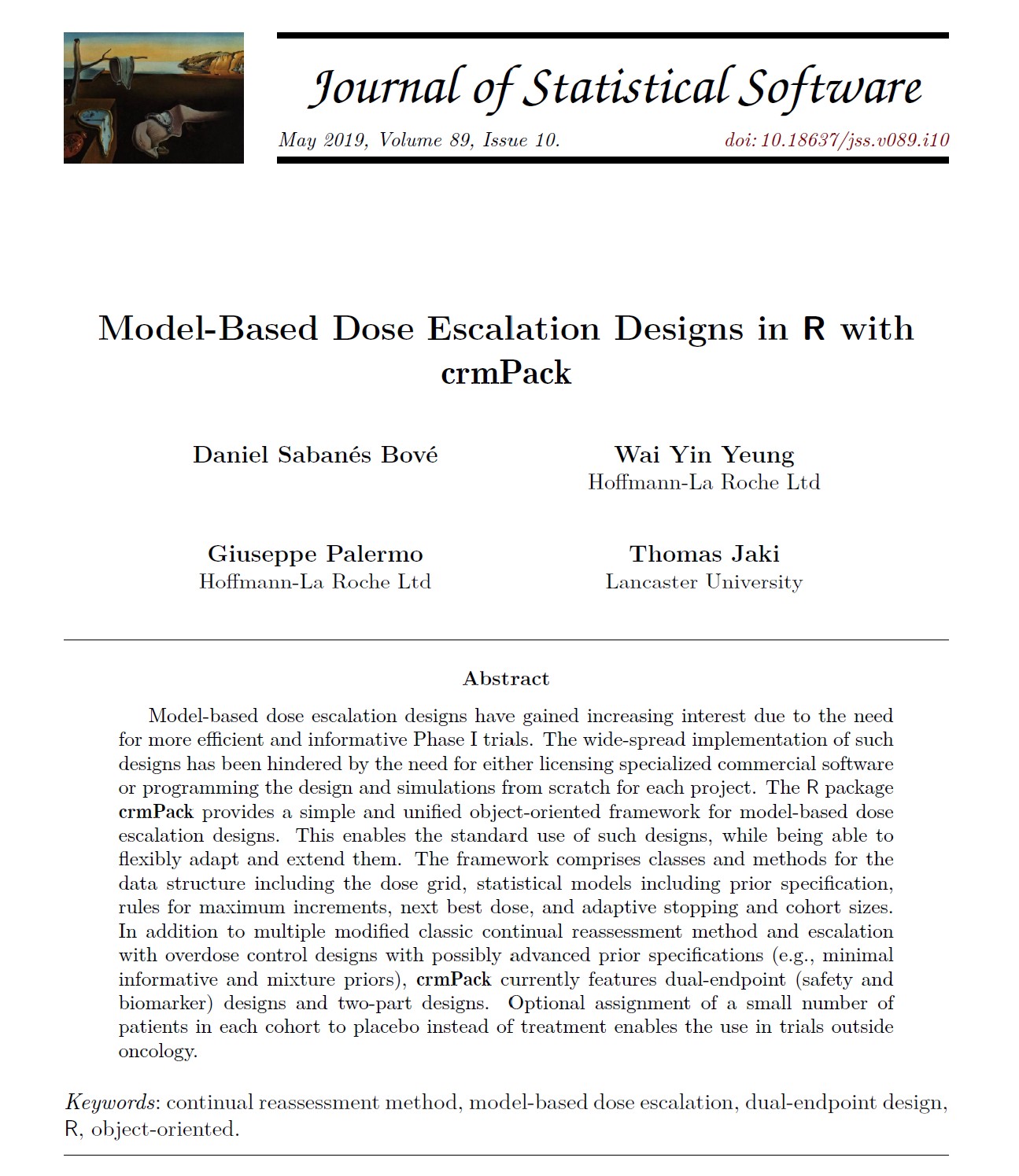
Large group of contributors 🏢

  • Clara Beck (Bayer)
  • Oliver Boix (Bayer)
  • Prerana Chandratre (Bayer)
  • Robert Adams (Bayer)
  • Dimitris Kontos (ClinBAY/Bayer)
  • Jiawen Zhu (Genentech)
  • Ziwei Liao (Genentech)
  • Daniel Sabanés Bové (Roche/RCONIS)
  • John Kirkpatrick (Roche/Astellas)
  • Giuseppe Palermo (Roche)
  • Guanya Peng (Roche)
  • Doug Kelkhoff (Roche)
  • Wojciech Wojciak (Roche)
  • Marlene Schulte-Goebel (Merck)
  • Burak Kuersad Guenhan (Merck)
  • Wai Yin Yeung (University of Lancaster/Roche)
  • Thomas Jaki (University of Lancaster/Cambridge/Regensburg)

Framework

crmPack provides a highly flexible framework for the design and analysis of dose escalation trials. This schematic illustrates the framework’s key components and their interactions:
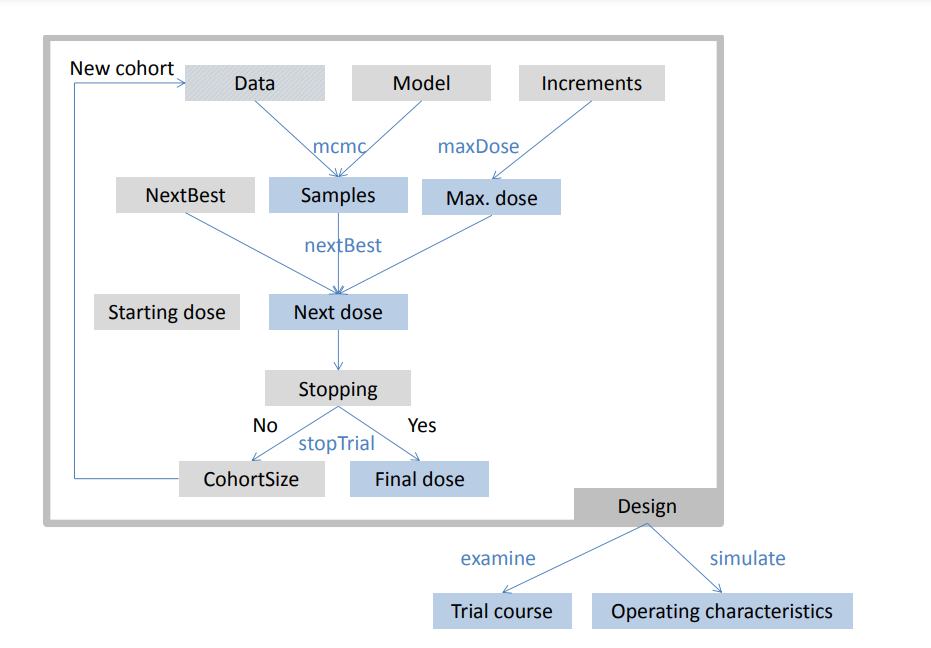
crmPack Framework

Example: Dose Escalation Design 💊

# remotes::install_github("openpharma/crmPack")
library(crmPack)

empty_data <- Data(doseGrid = c(1, 3, 5, 10, 15, 20, 25, 40, 50, 80, 100))

# Initialize the CRM model.
my_model <- LogisticLogNormal(
    mean = c(-0.85, 1),
    cov = matrix(c(1, -0.5, -0.5, 1), nrow = 2),
    ref_dose = 56
)

# Choose the rule for selecting the next dose.
my_next_best <- NextBestNCRM(
    target = c(0.2, 0.35),
    overdose = c(0.35, 1),
    max_overdose_prob = 0.25
)

# Choose the rule for the cohort-size.
my_size1 <- CohortSizeRange(
    intervals = c(0, 30),
    cohort_size = c(1, 3)
)
my_size2 <- CohortSizeDLT(
    intervals = c(0, 1),
    cohort_size = c(1, 3)
)
my_size <- maxSize(my_size1, my_size2)

# Choose the rule for stopping.
my_stopping1 <- StoppingMinCohorts(nCohorts = 3)
my_stopping2 <- StoppingTargetProb(
    target = c(0.2, 0.35),
    prob = 0.5
)
my_stopping3 <- StoppingMinPatients(nPatients = 20)
my_stopping <- (my_stopping1 & my_stopping2) | my_stopping3

# Choose the rule for dose increments.
my_increments <- IncrementsRelative(
    intervals = c(0, 20),
    increments = c(1, 0.33)
)

# Initialize the design.
design <- Design(
    model = my_model,
    nextBest = my_next_best,
    stopping = my_stopping,
    increments = my_increments,
    cohort_size = my_size,
    data = empty_data,
    startingDose = 3
)

Current Status

In December 2025, crmPack version 2.0 was released on CRAN (Sabanés Bové et al. 2025), which includes a ton of new features and improvements:

  • Model-based designs (CRM), rule-based designs (3+3)
  • Binary, time-to-event, dual efficacy/safety, ordinal outcomes
  • 15 different models
  • 14 different recommendation options
  • 19 different stopping rules
  • 9 cohort size rules
  • 9 increment rules
  • Reporting functionality (using knitr)
  • 9 vignettes (documentation)

Professional Support: SLA 🤝

  • Service Level Agreement (SLA) with RPACT
  • Get technical software support for written support requests
  • Get company specific training
  • Get company specific software validation documentation for each crmPack release on CRAN (coming in 2026)
  • Make a crmPack installation qualification on each Roche computer (coming in 2026)
  • Determine the direction of crmPack future development activities (many new features coming in 2026!)
  • Optional support for health authority interactions
  • Optional consultation to support specific clinical trials

Executive summary 📝

  • RPACT company has been collaborating closely with Roche since its inception in 2017
  • We presented two open source R packages for clinical trial design:
    • rpact for confirmatory clinical trial designs
    • crmPack for dose escalation trial designs
  • For both R packages, Roche has a Service Level Agreement (SLA) with RPACT for professional support, training, validation and development
    • In total, 21 companies are currently having SLA with RPACT (21 for rpact, 4 for crmPack)
  • In addition, we present briefly RPACT Cloud, a new web-based GUI for rpact, which is currently licensed by 4 pharmaceutical companies

References

Emerson, Scott. 2000. S+SeqTrial Technical Overview. Insightful Corporation. https://www.msi.co.jp/splus/addon/pdf/seqtech.pdf.
Sabanés Bové, Daniel, Wai Yin Yeung, Giuseppe Palermo, and Thomas Jaki. 2019. “Model-Based Dose Escalation Designs in R with crmPack.” Journal of Statistical Software 89 (10): 1–22. https://doi.org/10.18637/jss.v089.i10.
Sabanés Bové, Daniel, Wai Yin Yeung, Burak Kuersad Guenhan, Giuseppe Palermo, Thomas Jaki, Jiawen Zhu, Ziwei Liao, et al. 2025. crmPack: Object-Oriented Implementation of CRM Designs. https://github.com/openpharma/crmPack.
Wassmer, Gernot, and Werner Brannath. 2025. Group Sequential and Confirmatory Adaptive Designs in Clinical Trials. Springer. https://link.springer.com/book/10.1007/978-3-031-89669-9.
Wassmer, Gernot, and Friedrich Pahlke. 2025. rpact: Confirmatory Adaptive Clinical Trial Design and Analysis. https://CRAN.R-project.org/package=rpact.